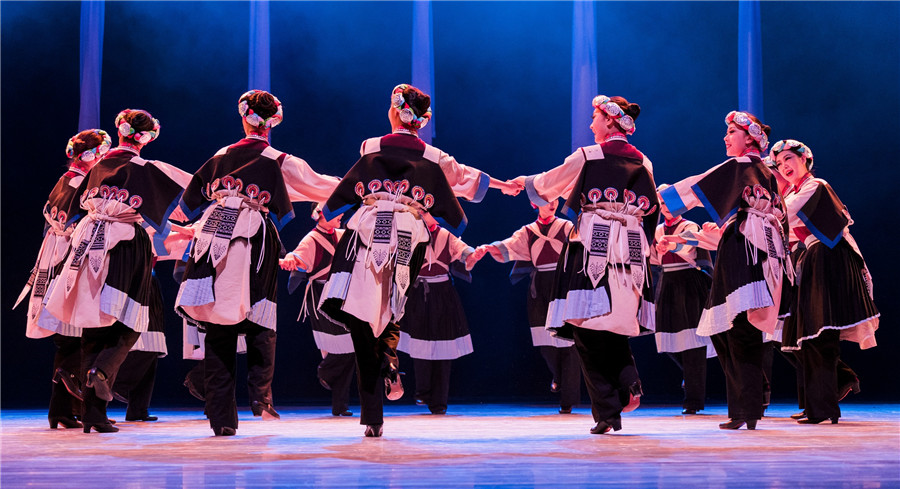
Costume of Naxi Ethnic Group
Introduction
The Naxi ethnic group, residing predominantly in Yunnan province, China, is renowned for its rich cultural heritage, which includes unique music, language, and clothing traditions. The costume of the Naxi ethnic group stands as an integral representation of their cultural identity, embodying both historical influences and local traditions. The attire is well-known for its vibrant colors and intricate designs, reflecting the region's geographical diversity and the Naxi's harmonious relationship with nature.
Types of Costumes
Everyday Clothing
The everyday clothing of the Naxi people is practical yet still retains elements that reflect their cultural identity. Typically, these garments are designed for comfort and functionality, suited for the mountainous terrains of Yunnan. Men's everyday attire often includes loose-fitting pants and shirts, while women's attire features skirts and blouses that allow for ease of movement. The clothes are usually made from locally sourced materials, ensuring durability and adapting to the local climate.
Traditional Attire
Traditional Naxi attire is more elaborate, often worn during important social gatherings and festivals. These garments are rich in color and texture, incorporating intricate embroidery and embellishments that are meticulously crafted. For women, the traditional dress is characterized by a long pleated skirt, a fitted jacket, and a distinctive apron, which may be decorated with symbolic patterns. Men’s traditional attire includes a woolen jacket or vest, often accompanied by a hat that signifies their status within the community.
Ceremonial Dress
Ceremonial dress in the Naxi culture is reserved for significant rituals and events, such as weddings, funerals, and religious festivals. These costumes are the most ornate, showcasing a high level of craftsmanship and attention to detail. They are often handmade, using traditional techniques passed down through generations. The ceremonial dress is imbued with symbolic meaning, with each element of the attire representing themes of prosperity, longevity, and spiritual protection. The use of vibrant colors and sophisticated designs highlights the importance of the occasion and the wearer's role within the ceremony.
Materials and Techniques
The materials used in Naxi costumes are primarily sourced from the surrounding natural environment, including wool, cotton, and hemp. These materials are chosen for their durability and adaptability to the region's climate. Traditional techniques, such as weaving, dyeing, and embroidery, are employed to create the garments, each technique holding cultural significance and artistic value. The process of making these costumes is often a communal activity, with skills and knowledge being passed down through generations, ensuring the preservation of these ancient crafts.
Symbolism and Design
The design of Naxi costumes is laden with symbolism, with each motif and color carrying specific meanings. Common symbols include dragons, flowers, and geometric patterns, each representing different aspects of Naxi mythology and cosmology. Colors are also significant, with red symbolizing happiness and prosperity, blue representing the heavens, and green denoting fertility and growth. These elements come together to create garments that are not only visually striking but also rich in cultural narrative, telling stories of the Naxi people's history, beliefs, and aspirations.
Cultural Significance
The traditional costumes of the Naxi ethnic group are not merely garments but are deeply embedded in their cultural and social practices. These costumes play a pivotal role in various festivals, rituals, and ceremonies, symbolizing different aspects of Naxi life, from milestones in one's life to the celebration of seasonal changes. The attire is a visual expression of the Naxi's beliefs, values, and history, serving as a living artifact that connects the present generation with their ancestral roots. The clothing is often adorned with symbols and motifs that hold specific meanings, representing elements of nature, spirituality, and community.








